Blog·
Housing type mix: a built-form demand proxy for site selection
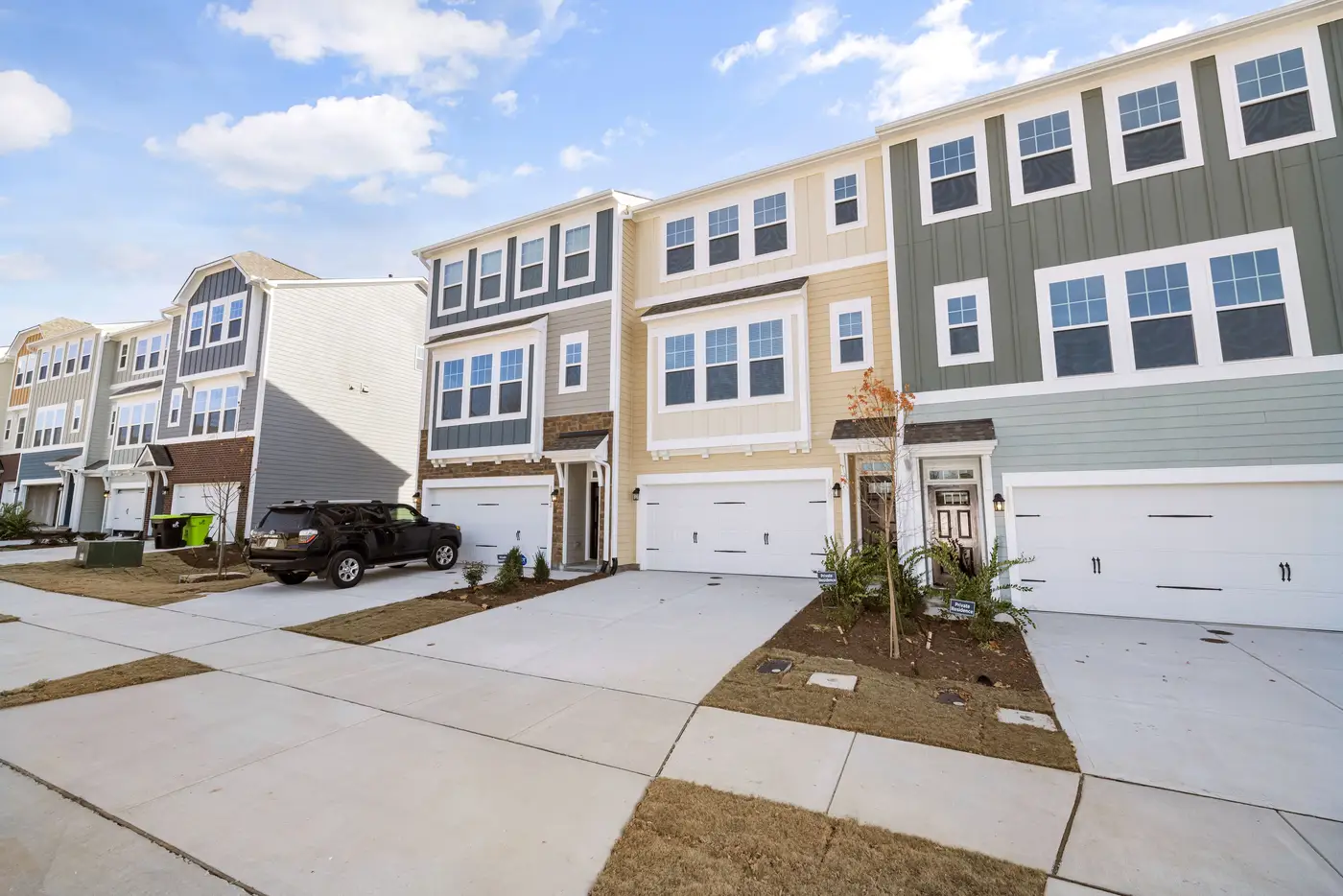
What housing type mix means
Housing type mix is the breakdown of what's physically built in a trade area: detached single-family on quarter-acre lots, townhomes, garden apartments, mid-rise walk-ups, high-rise towers. Pair that with density, units per acre, and you get a read on how many rooftops sit within a given radius and what kind of household lives in each one.
That's different from a population count. A population figure tells you how many people the Census Bureau estimates live inside a tract boundary. It doesn't tell you whether those people are renters in a 300-unit garden complex off the arterial or owners spread thin across a subdivision three miles from your frontage. Two trade areas can carry the same population number and look nothing alike on the ground.
Why a population count falls short on its own
ACS estimates are five-year rolling averages, so by the time a number publishes it's already describing a neighborhood as it existed two or three years back. New construction, a torn-down strip of ranch homes replaced with townhomes, a conversion of an old motel into extended-stay units, none of that shows up until the next data cycle catches up.
Tract and block group boundaries make it worse. They're drawn for census administration, not for a half-mile ring around your candidate site. A tract can report 8,000 residents and look strong on a scorecard, but if most of that count sits in a complex two miles off your draw area and the parcels fronting the site are low-density single-family, the number is measuring the wrong ground. You end up scoring a site on people who will never walk past it.
Pulling that population figure takes minutes. Confirming what's actually built usually means a windshield survey, pulling a rent roll if one's available, or cross-referencing a parcel database that's current as of whenever the county last updated it. That's hours per site, not minutes, and it's the step that gets skipped when a pipeline has forty candidates in it.
Built form as the real demand proxy
Housing type correlates with the things that drive a retail format's performance: basket size, trip frequency, car ownership, whether a household is walking or driving to the site. A corridor of garden apartments and townhomes at 20 units an acre behaves differently for a quick-service format than a subdivision of half-acre lots three turns off the arterial, even when both show similar headline population inside the same radius.
That's the case for reading built form directly instead of defaulting to the tract-level count. Density and unit mix close to the corner describe the demand that's reachable on foot or in a short drive, not an administrative boundary's worth of people who may or may not ever see the site. A housing type mix also moves faster than Census cycles. New permits, teardowns, and infill show up on the ground well before ACS catches up, and a site team working an active pipeline can't wait three years for the data to confirm what the parcel already looks like.
None of this replaces a site visit or a rent roll when the deal's far enough along to justify one. But for screening a list of candidates before that spend, a read on what's built, housing type, density, and land use around the point, works as a faster stand-in for the demand question a population count was always trying to answer anyway.
That's the read Trade Area Profiling turns into a numbered brief per candidate site, built from high-res imagery rather than a tract average, so the housing type mix in front of a parcel shows up before the site visit gets scheduled. If you're screening a list and want that read on your next candidate, that's what it's built for.