Blog·
Field notes: the subdivision that finished building the month the committee voted no
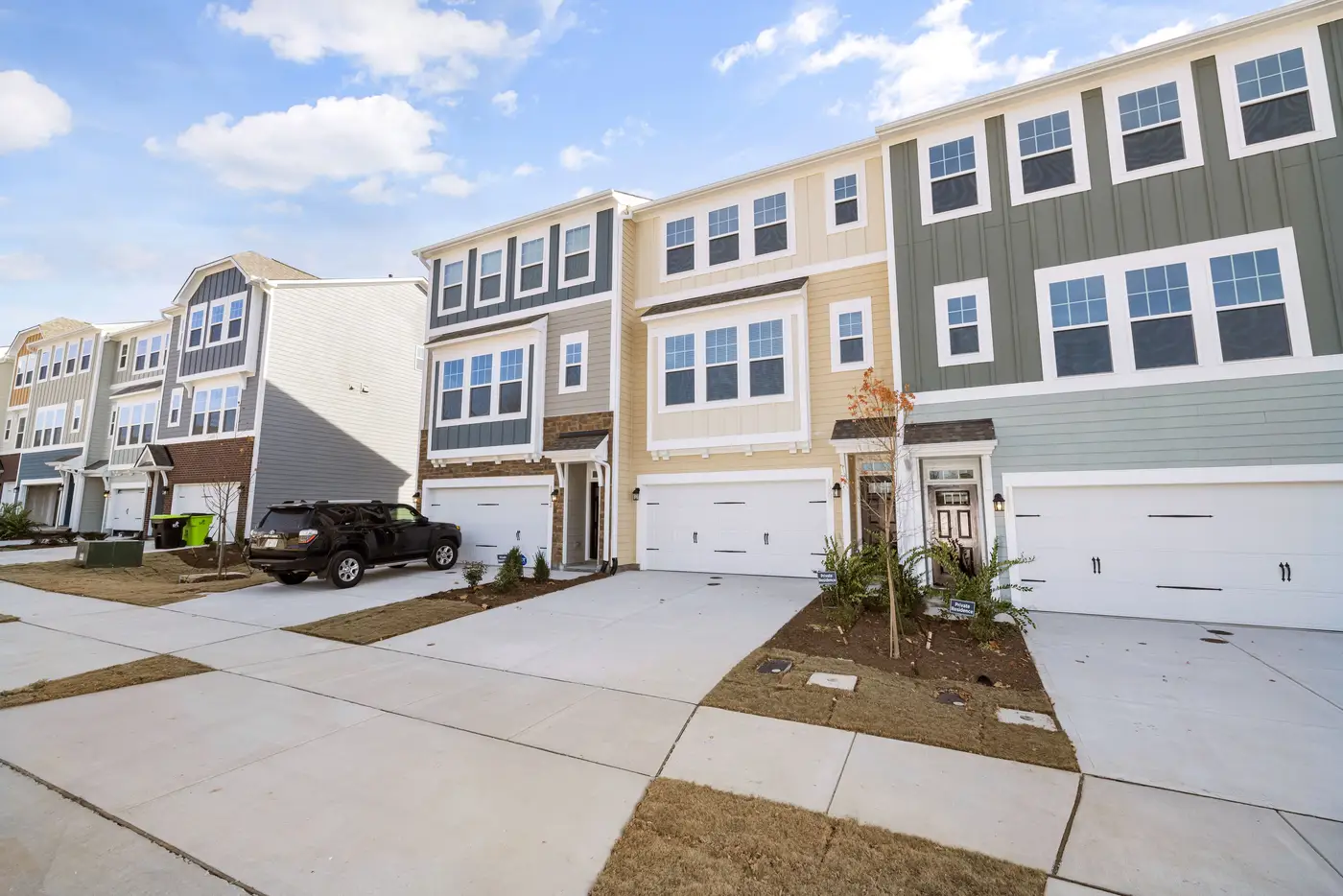
Every analyst who has sat through a site committee cycle has a version of this story. A candidate site gets voted down on density grounds. The package says the surrounding trade area is still mostly vacant lots and a half-finished frame crew working weekends. Six weeks later someone drives past the parcel and the subdivision is done. Roofs on every lot, driveways poured, a moving truck in front of unit 14. The no vote and the last occupancy permit landed in the same month.
Nobody lied in that committee meeting. The package was accurate when it was pulled. It just wasn't pulled again before the vote, because nobody budgets a second data cycle for a site that's already moving through underwriting.
The lag nobody puts on the calendar
Most trade area packages get built once, early, off whatever housing counts and permit data were current at the time. That's fine for a site that sits in committee for two weeks. It's a problem for one that sits for ten, which is most of them once legal and finance get involved. Construction doesn't wait for the calendar to catch up. A builder finishing out the back half of a 200-lot subdivision can go from "slab poured" to "sold and occupied" in a single fall selling season, especially in markets where the permit backlog cleared early in the year.
By the time a committee reconvenes to vote, the housing stock near the site has sometimes changed more than the site's own numbers have. And the people voting no are working off the earlier picture, not the current one, because nobody flagged that the picture had moved.
What a second look actually catches
The real issue is voting on stale inputs without knowing they've gone stale. The cheap habit that fixes it: before the vote that matters, look again at what's physically on the ground around the parcel. Not the permit filing, not the builder's projected close dates. What's built, what's occupied, what's still dirt.
That's a narrow, specific question, and it's one high-res imagery answers better than almost anything else in the stack, because it shows the thing itself rather than someone's filing about the thing. A roofline is a roofline. A driveway with a car in it reads differently than a cleared lot. You don't need a new survey to see that a density assumption from spring is wrong by November, you need an updated look at the parcel.
This is the gap Trade Area Profiling is built to close: a numbered read of housing type, density and land use around a candidate site, pulled when you ask for it rather than sitting on a release schedule that predates the vote.
The habit worth keeping
The original package wasn't wrong. Trade area work has always had a shelf life, and nobody expects a live feed for every parcel in the pipeline. For any site that's going to sit in committee long enough for a season to pass, pull a second read right before the vote. It costs an afternoon. It's a lot cheaper than explaining to a regional VP why the subdivision across the street finished leasing up the same month the committee passed on a site that would have sat a quarter mile from four hundred new rooftops.
Pull a fresh built-form read before your next committee date, not after it.